Understanding the Metallurgy Behind High-Quality Light Weight Aluminum Factory Alloys
The Fundamentals of Light Weight Aluminum Alloys
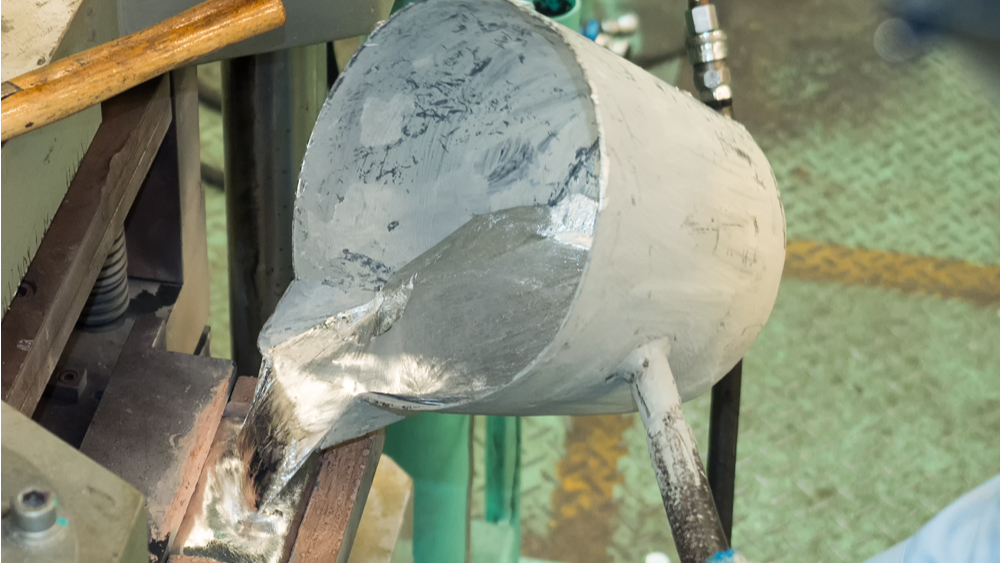
Light weight aluminum is commonly acknowledged for its lightweight and corrosion-resistant residential properties, recognizing the fundamentals of light weight aluminum alloys is crucial for valuing their varied applications. Light weight aluminum alloys are classified mainly into two teams: functioned and cast alloys. Wrought alloys are developed by procedures such as squeezing out or rolling, while cast alloys are produced by pouring liquified light weight aluminum right into mold and mildews.
Each group is additional identified by a four-digit mathematical system, suggesting the primary alloying aspects. For example, the 1000 series suggests pure light weight aluminum, while the 2000 collection includes copper as the primary alloying aspect. The addition of various other steels improves resistance, workability, and strength to deterioration, enabling customized residential properties matched to specific applications. Recognizing these classifications and their implications is essential for industries varying from aerospace to automotive, where product efficiency and dependability are paramount.
Trick Attributes of Foundry Alloys
Shop alloys, a subset of light weight aluminum alloys, are specifically created for casting applications, and they have unique features that set them besides functioned alloys. These alloys exhibit superb fluidity, allowing them to fill up complex mold and mildew styles and assure uniformity in the end product. Furthermore, foundry alloys often have a reduced melting point, promoting simpler spreading processes and decreasing power intake throughout manufacturing.
An additional essential attribute is their enhanced resistance to deterioration, which is vital for elements revealed to severe settings. Foundry alloys also show great mechanical buildings, consisting of stamina and ductility, which are vital for sturdiness in different applications. Their versatility to various spreading methods, such as sand casting or pass away spreading, additional emphasizes their adaptability. On the whole, the residential properties of factory alloys make them appropriate for a variety of industries, from automobile to aerospace, adding to the performance and durability of cast elements.
Composition and Criteria of Aluminum Shop Alloys
The structure of light weight aluminum foundry alloys is important in establishing their efficiency and viability for different applications. These alloys usually include aluminum integrated with components such as silicon, copper, magnesium, manganese, and zinc, each adding specific buildings. For circumstances, silicon enhances fluidity and reduces shrinkage, making it crucial for casting procedures. Copper enhances stamina and hardness yet can decrease deterioration resistance.
Requirements for aluminum shop alloys, developed look at more info by organizations such as the Light weight aluminum Association, warranty uniformity and quality across various applications. Usual alloy classifications, such as 319.0 and 356.0, show particular essential compositions and mechanical buildings. Conformity with these criteria helps producers generate reputable elements, whether for automotive, aerospace, or industrial uses. Understanding these compositions and adhering to recognized requirements are important for optimizing the mechanical qualities and overall honesty of light weight aluminum factory products.
Warm Therapy Processes for Improved Performance
Warm therapy procedures play a pivotal role in boosting the efficiency of aluminum alloys by changing their microstructure and mechanical homes. Metal Casting. These processes generally entail remedy warmth aging, treatment, and annealing. Solution warm treatment entails warming the alloy to a particular temperature, permitting alloying aspects to liquify into the light weight aluminum matrix, which can improve toughness and ductility. Following this, aging can be executed, either naturally at space temperature level or artificially at raised temperature levels, to speed up strengthening phases that improve solidity and tensile stamina
Annealing, on the other hand, is used to boost and eliminate internal stress and anxieties workability, especially in alloys that have actually undergone significant contortion. Each of these procedures should be carefully managed to attain the preferred equilibrium of hardness, stamina, and ductility, eventually leading to premium aluminum factory alloys that meet rigid efficiency demands in various applications.
Applications of Aluminum Factory Alloys in Sector
Aluminum factory alloys are commonly utilized across various markets due to their beneficial residential or commercial properties, which originate from reliable heat therapy procedures that boost their mechanical features. In the vehicle field, these alloys are employed to produce engine parts, wheels, and transmission real estates, profiting from their light-weight nature and superb strength-to-weight proportion. Aerospace applications likewise profit from light weight aluminum factory alloys for aircraft frameworks and parts, where weight decrease is vital for performance this and gas effectiveness.
In addition, the electrical market counts on these alloys for connectors and real estates, as they show excellent electric conductivity and deterioration resistance. In building, light weight aluminum shop alloys are vital for facades, window frames, and structural components, combining visual allure with durability. The flexibility of light weight aluminum shop alloys makes them a recommended option in different applications, ensuring high efficiency and reliability across various fields.
Frequently Asked Questions
How Does Recycling Affect Light Weight Aluminum Foundry Alloy High Quality?
Reusing light weight aluminum can both jeopardize and improve shop alloy quality. While it minimizes resources prices and environmental impact, contaminations from recycled sources might adversely affect mechanical buildings, demanding mindful processing to preserve desired standards.
What Are the Environmental Effects of Aluminum Factory Processes?
Aluminum foundry procedures add to ecological impacts such as greenhouse gas exhausts, power usage, and waste generation. Additionally, contaminants might influence air and water top quality, highlighting the need for lasting techniques within the industry.
Can Aluminum Shop Alloys Be Welded Successfully?
Aluminum factory alloys this website can be efficiently bonded, although particular techniques and filler products are needed to attain suitable results. Correct prep work and understanding of the alloy's buildings contribute greatly to the high quality of the weld.
What Are the Typical Defects in Aluminum Casting?
Usual issues in aluminum casting consist of porosity, contraction tooth cavities, additions, and surface area roughness. These concerns can occur from incorrect mold and mildew design, inadequate melting practices, or contamination, affecting the total high quality and efficiency of the end product.
How Do Impurities Influence Aluminum Foundry Alloy Performance?
Contaminations adversely affect light weight aluminum foundry alloy performance by modifying mechanical residential or commercial properties, lowering corrosion resistance, and compromising overall top quality. The existence of components like iron and silicon can cause flaws, eventually impacting the alloy's toughness and performance.
Aluminum is widely identified for its light-weight and corrosion-resistant residential or commercial properties, understanding the fundamentals of light weight aluminum alloys is vital for appreciating their diverse applications. Aluminum Casting. Light weight aluminum alloys are categorized largely into two groups: wrought and cast alloys. Shop alloys, a part of light weight aluminum alloys, are specifically made for casting applications, and they have distinct features that set them apart from functioned alloys. Requirements for light weight aluminum shop alloys, developed by organizations such as the Light weight aluminum Association, guarantee consistency and quality across different applications. Impurities adversely influence light weight aluminum foundry alloy efficiency by altering mechanical residential or commercial properties, minimizing corrosion resistance, and endangering overall quality